
By the time my father was born in 1943, my grandmother, Abuelita Chole, had given birth to eleven children. Only nine survived. The others, she lost to starvation.
In Mexico in the 1930s and early 1940s, there were no food safety nets. No subsidized milk, no tortillas or beans guaranteed at affordable prices. Families like hers survived on faith and a hope for more opportunities in the North.
It wasn’t until the 1960s that national programs like CONASUPO were created to stabilize food access for all. By then, my grandparents had already left their home in southern Mexico, crossed the border undocumented, and begun building a new life in the United States.
Their dream was simple: that their children would never know hunger.
Two generations later, that dream has held. I have never experienced hunger, and neither have my children. It’s something I hold with deep gratitude—and awareness.
When I’m interviewed about EAT LESS WATER or my upcoming book, THE KITCHEN ACTIVIST, I’m often asked:
“How can someone on a tight budget buy organic food?”
It’s the right question.
Because even as I speak about regenerative organic agriculture and shopping at farmers’ markets, 42 million people in the U.S. rely on SNAP benefits—our federal food-assistance program—to feed themselves and their families. And most of them work.
In fact, about 87 % of able-bodied, working-age SNAP recipients have jobs.
So what does it say about our nation that people can work full-time and still not afford enough food? Or are faced with decisions to purchase the cheapest food, often low in the minerals and vitamins our bodies need to thrive.
It says the system itself needs to be questioned—wages, pricing, access, and values. The ability to afford enough, nutritious food for working folks should be a right, not a privilege. That is food justice.
Here in California, farm-workers—the very people who harvest our food—have an average life expectancy of 49 years, according to some reports. Many of these same workers do not qualify for SNAP benefits, and contrary to frequent political claims, undocumented farmworkers are not eligible for federal food-assistance programs.
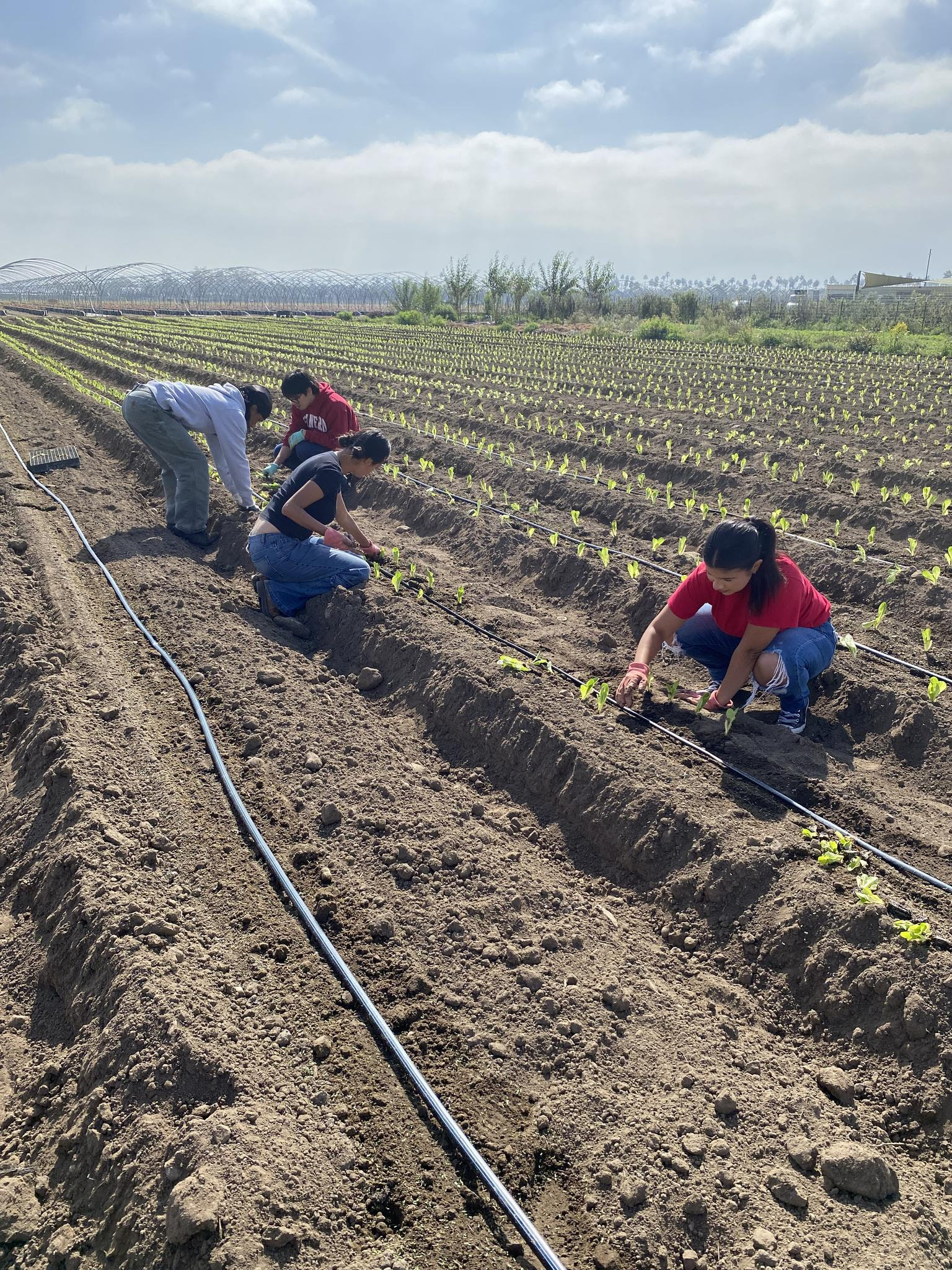
At the same time, I see hope taking root. At Rio Regenerative Farm, the ten-acre project I help steward with the Rio School District, we are growing organic produce that goes directly into the district’s nine school cafeterias—a Title I district, meaning most students come from families living at or near the poverty line.
In these cafeterias, at least two meals a day come from the farm just down the road from their cafeterias. That’s food justice in action—children receiving nourishment that supports their well-being.
Recently, Michael and I went out to dinner at a local place in Ventura County called Piñyon. When our waitress handed us the menu, she explained that tips were already included in the price. Every employee earns at least $25 per hour, plus annual profit-sharing.
The pizzas weren’t any more expensive than other sit-down restaurants—but the values baked into them were. Organic ingredients sourced from local farmers, and wages that allow their workers to live with dignity.
This is what the future of food can look like: one that nourishes everyone in the chain—from the soil to the table.
My grandmother crossed the border so her children wouldn’t starve. Today, families across this country face that same fear—choosing between gas and groceries, rent and food.
We can do better.
For those of us with the privilege of choice, each purchase, each meal, is an act of solidarity. When we support small farmers, restaurants like Piñyon that pay living wages, and regenerative farms like Rio Farm, we help build a system where the most nourishing food becomes the most accessible. Click HERE to learn more about the Rio Regenerative Farm and make a year-end donation to support our work.
And if you can, make a donation to your local food bank—because every family deserves the dignity of a full table.
That’s the dream my grandmother carried north.
And it’s the one I carry forward.
P.S.
My father published his first book, LITTLE DROPS OF WATER/Gotitatas de Aqua, which beautifully and powerfully shares his family’s story of resilience. This bilingual picture book is currently #1 in new releases on Amazon for Teen & Young Adult Cultural Heritage Biography eBooks. You can order a copy HERE.
click to Read & Leave a comment
Click to close comments
Comments